Open your worlds
Your wish list — the plush you mean to keep.
Press Add to a collection on any plush in the shop: start a collection of your own, or keep it on your wish list. Sign in and both follow you to any device.
Open my wish list →Menu
What makes a bear a bear
Bears live in many different kinds of places, but they have a lot in common. Here are three true things about bears as a group.
Eight kinds of bear
Only eight species of bear are alive today, but they are widespread. Bears are found in North America, South America and Eurasia.
SourceA super sniffer
Bears have an excellent sense of smell, better than a dog's, and possibly better than any other mammal's.
SourceTiny, helpless cubs
Bear cubs are born blind and helpless, with at most a thin layer of hair. They rely on their mother for warmth.
Source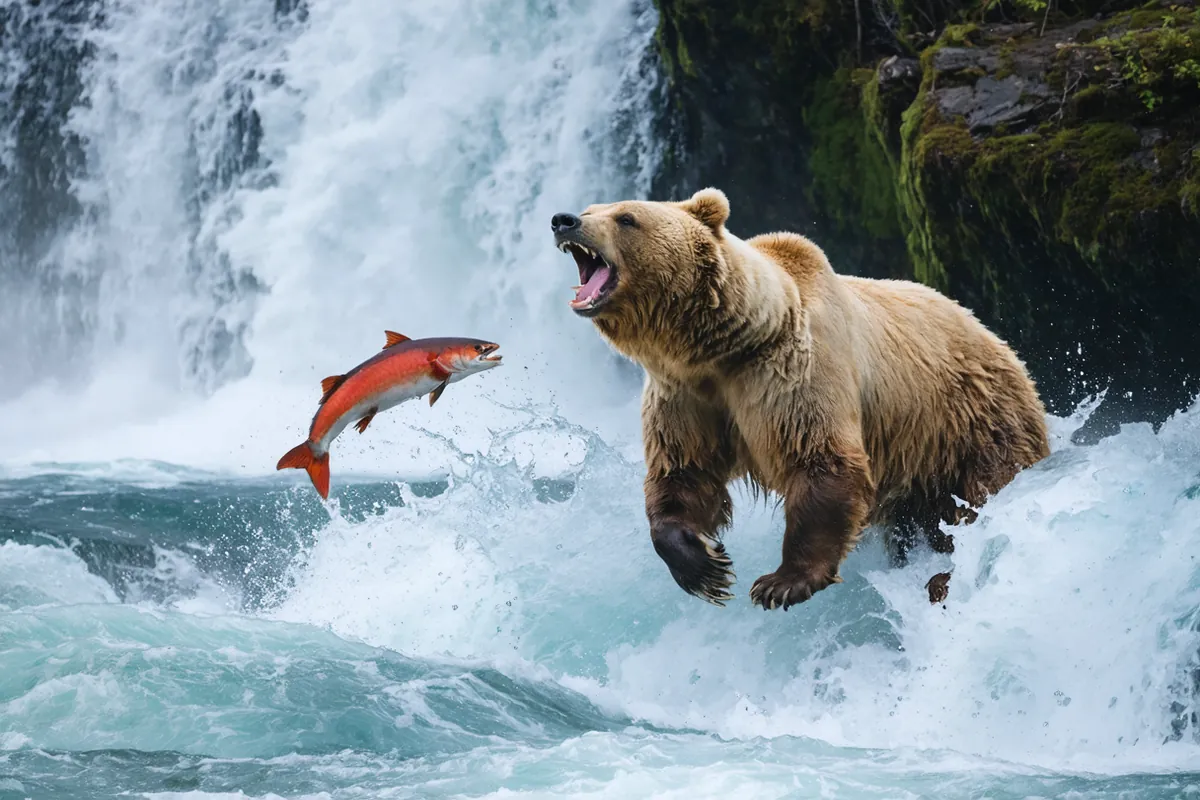
AI-generated illustration
Master angler
The bears that fish at the waterfall
At Brooks Falls in Katmai National Park, Alaska, brown bears gather when the sockeye salmon swim up the river. Some bears stand right on top of the waterfall and wait for a salmon to leap close enough to catch in their mouths. It is a wobbly place to stand, and bears sometimes fall off. On days when many salmon are swimming up the river, a large and dominant male bear will sometimes catch and eat more than 30 fish. Smaller bears may catch far fewer. Every fish counts: a Katmai bear must eat a full year's worth of food in just six months to survive.
SourceBear in the sky
The Great Bear among the stars
On a clear night, look north for seven bright stars in the shape of a ladle or a plough. In the United Kingdom they are called the Plough, and in the United States and Canada the Big Dipper. They belong to a much bigger constellation, Ursa Major, the Great Bear, and the seven stars are often drawn as the bear's hindquarters and tail. From most of the Northern Hemisphere the Great Bear can be seen all year round. Two of its stars, Merak and Dubhe, are called the pointer stars, because they point the way to Polaris, the North Star.
SourceThree remarkable bears
AI-generated illustration
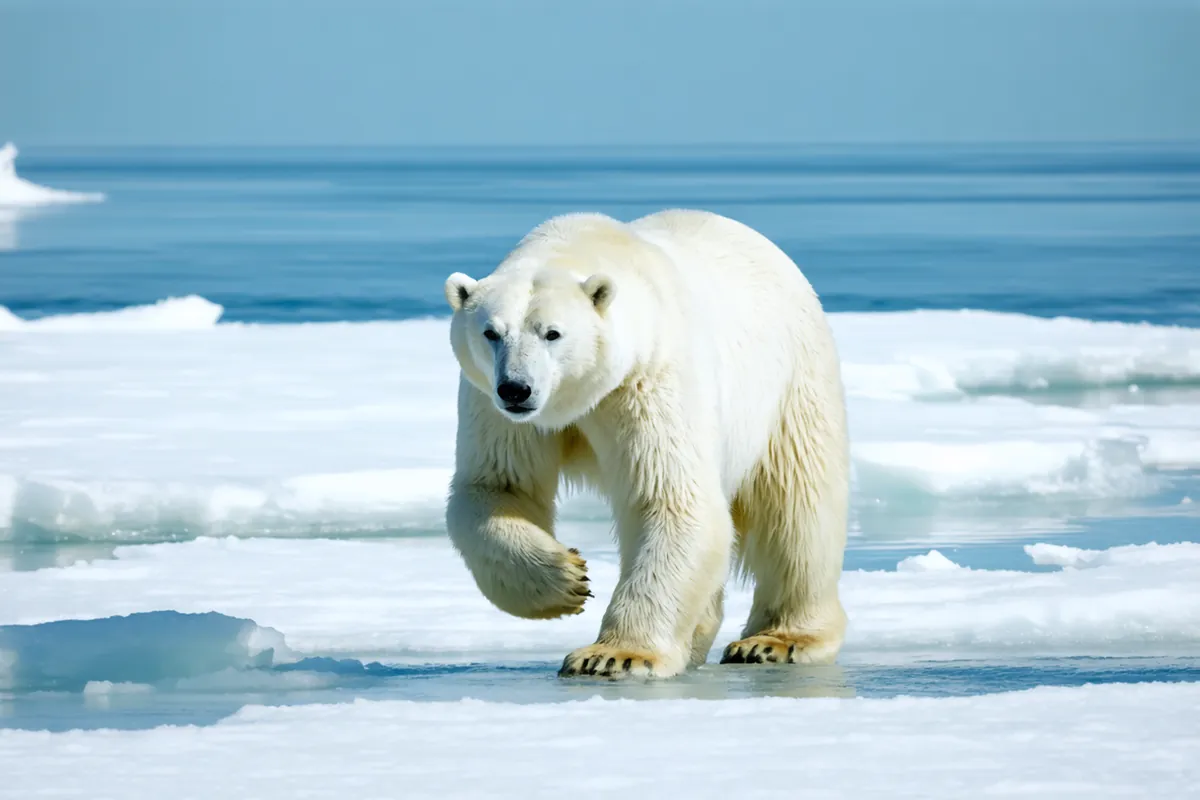
Polar bear
Ursus maritimus
Its fur looks white, but the long outer hairs are see-through and hollow, which helps the bear trap heat and float in the water. Underneath the fur, its skin, even its nose and lips, is black.
Source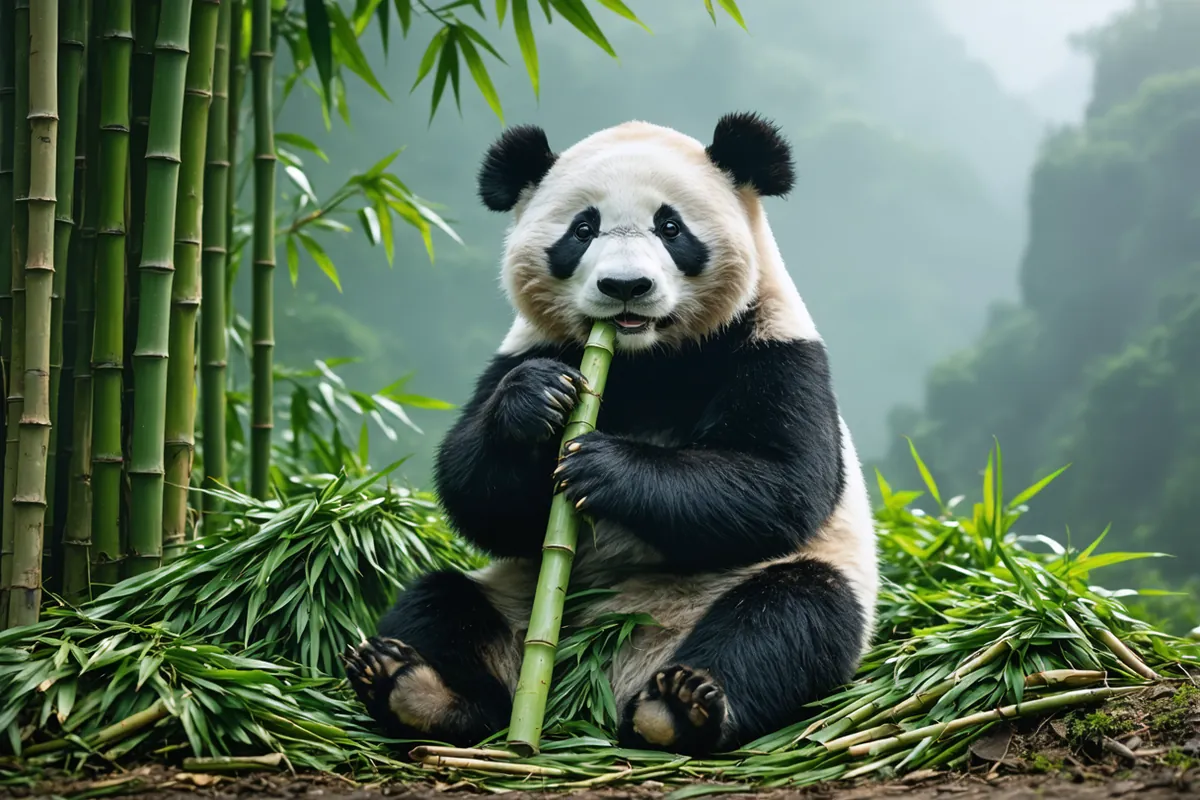
AI-generated illustration
Giant panda
Ailuropoda melanoleuca
About 99 per cent of a giant panda's diet is bamboo. To hold the stems it uses a thumb-like digit on its forepaw, which is really a specially shaped bone.
Source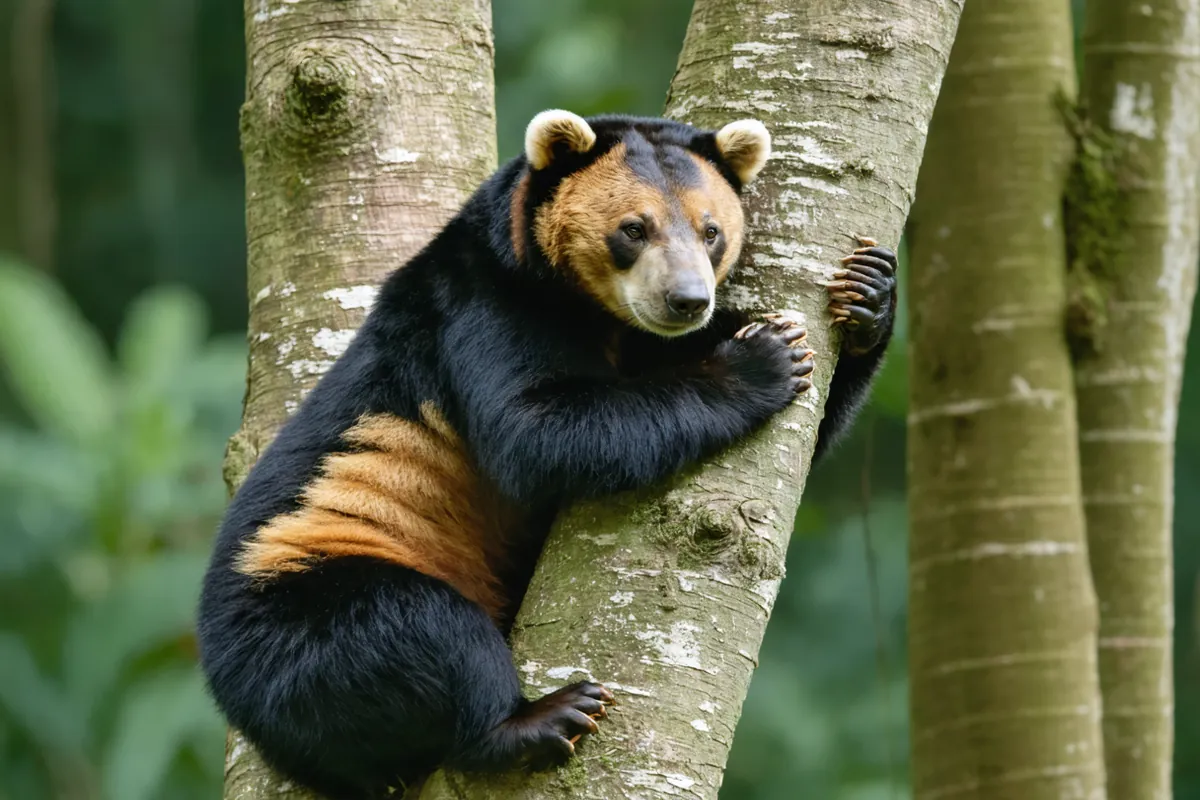
AI-generated illustration
Sun bear
Helarctos malayanus
The smallest of all the bears lives in the tropical forests of South-East Asia. It is an excellent climber that often sleeps or sunbathes in trees 2 to 7 metres off the ground, and it uses its exceptionally long tongue to lick insects and honey out of trees.
SourceKinds of bear
The pictures on this page are AI-generated illustrations, not photographs. The facts are checked against the sources linked.