Open your worlds
Your wish list — the plush you mean to keep.
Press Add to a collection on any plush in the shop: start a collection of your own, or keep it on your wish list. Sign in and both follow you to any device.
Open my wish list →Menu
What makes a fox a fox
Foxes have a long, bushy tail, called a brush. They eat both animals and plants: mostly insects and other small creatures, and sometimes eggs and plants too.
Part of the dog family
Foxes are small to medium-sized mammals in the dog family, Canidae. Twelve kinds belong to the 'true fox' group, the genus Vulpes, and other foxes belong to different groups.
SourceFound almost everywhere
Foxes live on every continent except Antarctica. The most common and widespread fox is the red fox.
SourceSmall families
Unlike many of their dog-family cousins, foxes are not always pack animals. They usually live in small family groups, and their young are called cubs, pups or kits.
Source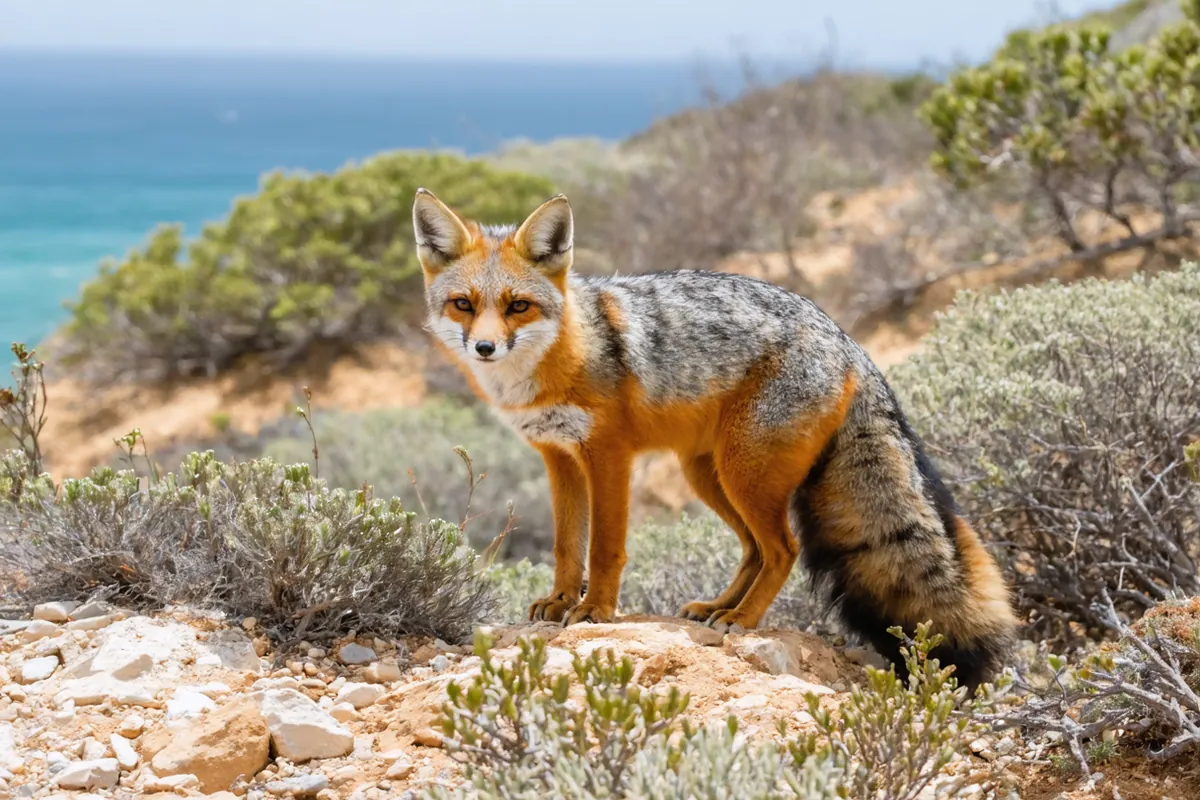
AI-generated illustration
Island rescue
The little foxes that came back
The island fox lives on six of the Channel Islands, off the coast of southern California, and is found nowhere else on Earth. It comes from the mainland grey fox, but it is a third smaller, about the size of a house cat. In the 1990s their numbers crashed, and the fall was blamed on golden eagles hunting them. By 2000, the foxes on San Miguel and Santa Rosa Islands were down to 15. A rescue plan began in 1999. Foxes were bred in captivity and returned to the wild, and the golden eagles living on the islands were removed. Today, the foxes have recovered in Channel Islands National Park.
SourceLong journey
The fox that walked to Canada
Scientists were tracking a young female Arctic fox by satellite. On 26 March 2018 she left Spitsbergen, in Norway's Svalbard islands, and set off across long stretches of sea ice and glaciers. Her furthest point north was on the sea ice off northern Greenland. On average she moved 46.3 kilometres a day, and on one day, on the ice sheet in northern Greenland, she covered 155 kilometres. Seventy-six days after she set out, and 3,506 kilometres later, she reached Ellesmere Island in Canada. She settled there, in a new home where lemmings live.
SourceThree remarkable foxes
AI-generated illustration
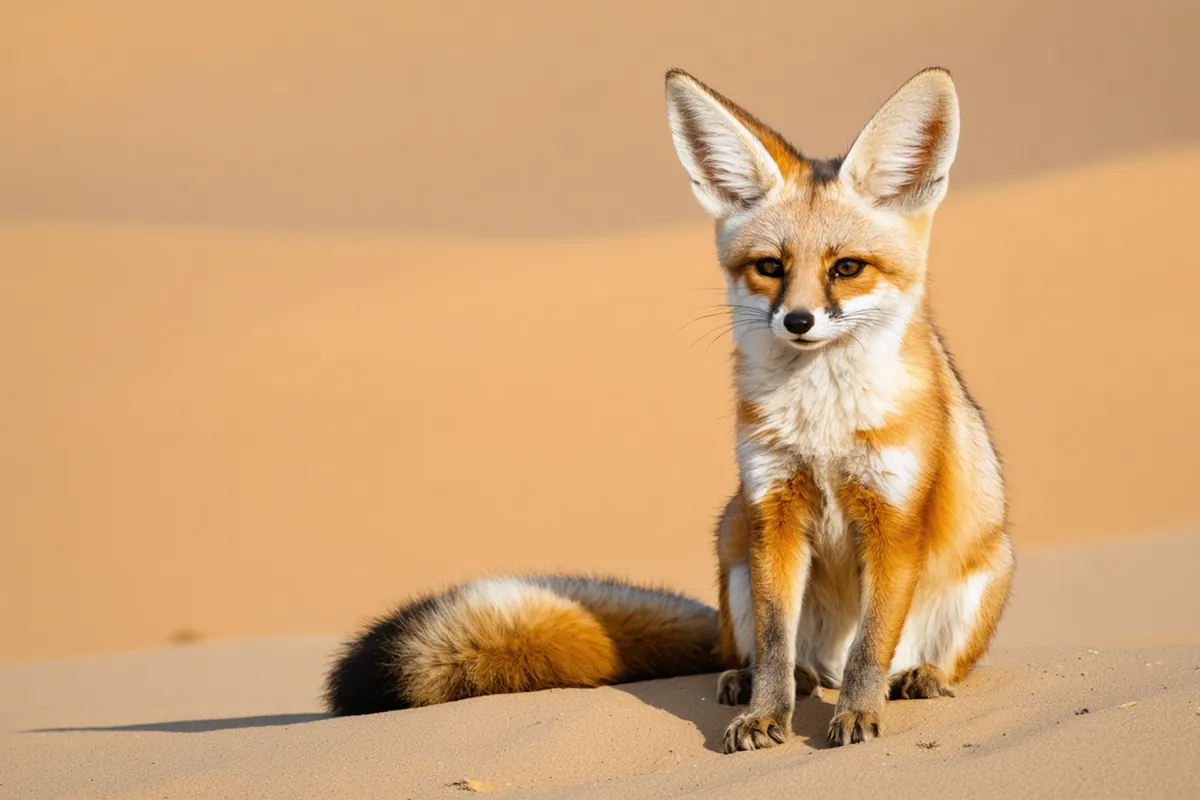
Fennec fox
Vulpes zerda
This true fox of the Sahara is the smallest member of the dog family. Its very large ears help it lose heat and listen for prey underground, and the pads of its paws are covered with thick fur.
Source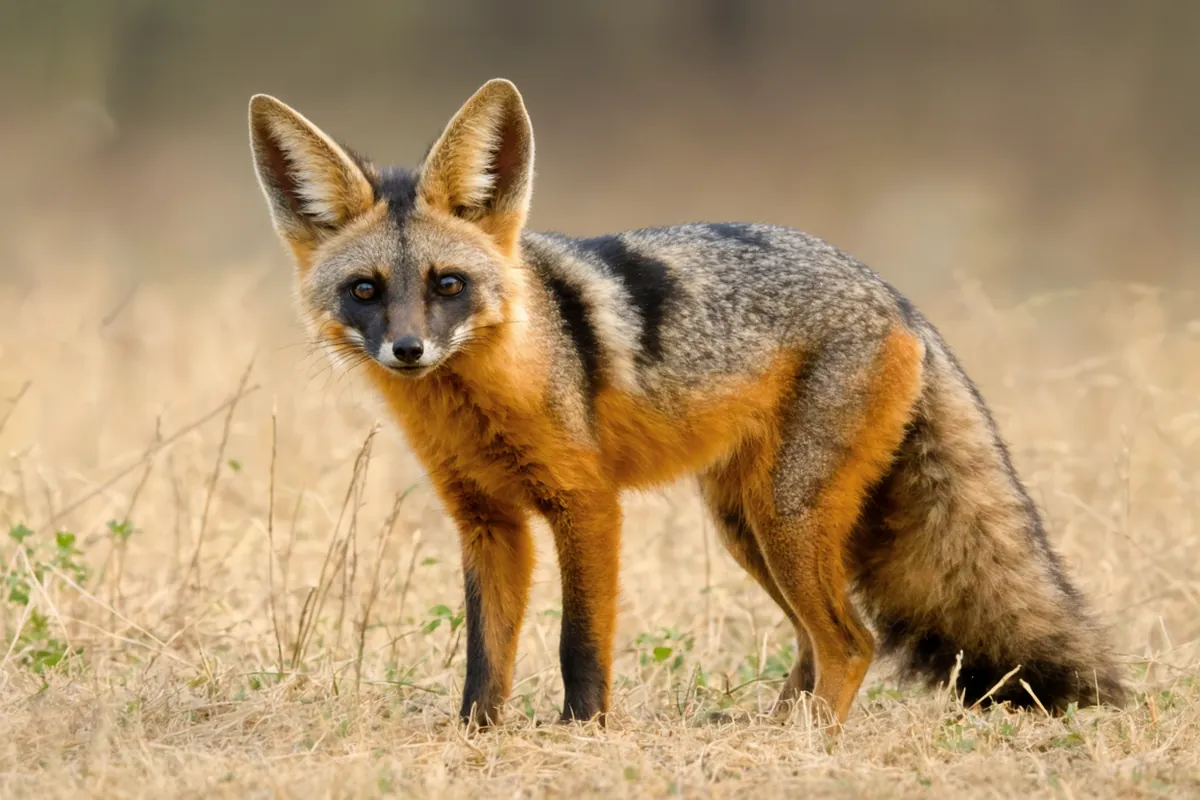
AI-generated illustration
Bat-eared fox
Otocyon megalotis
The only living member of its own group, Otocyon, lives in southern and eastern Africa. It finds its prey mainly by listening, and harvester termites can make up 80 to 90 per cent of what it eats.
Source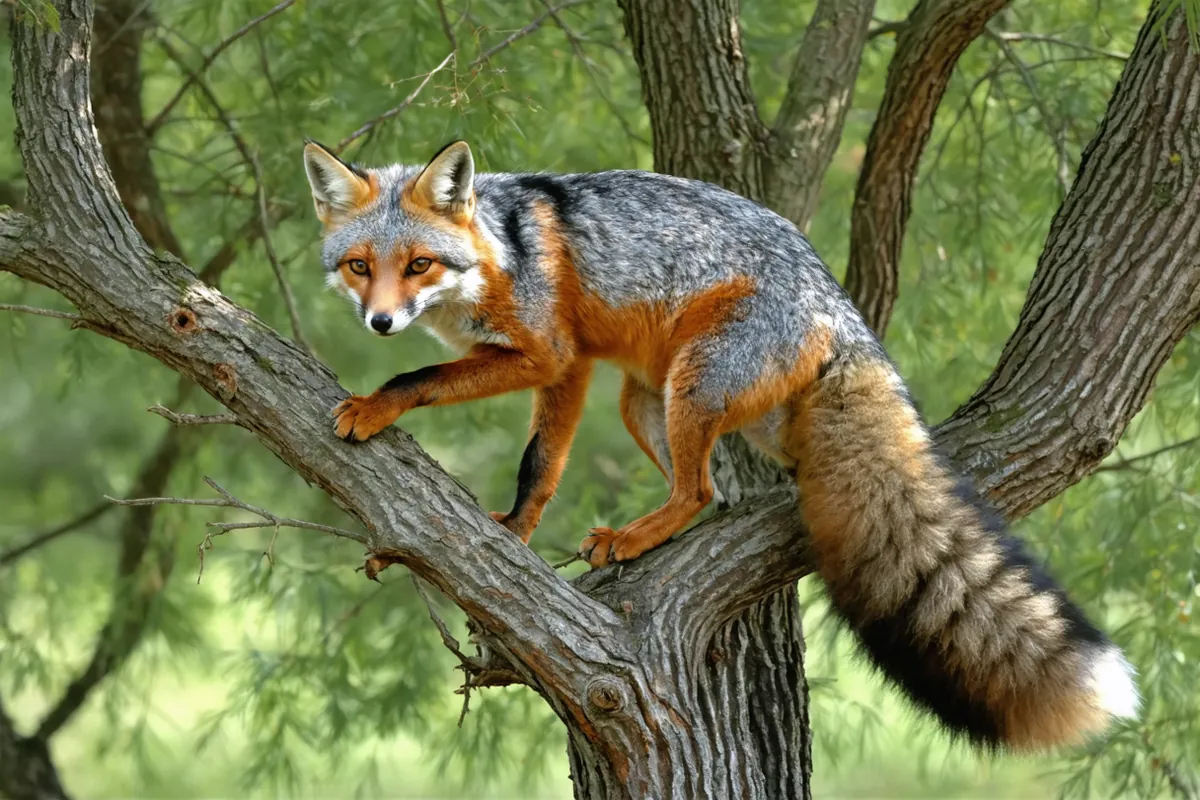
AI-generated illustration
Grey fox
Urocyon cinereoargenteus
This fox of North and Central America belongs to its own group, Urocyon, apart from the red foxes. It can climb bare, upright tree trunks as high as 18 metres, and it comes down mostly by jumping from branch to branch.
SourceThe pictures on this page are AI-generated illustrations, not photographs. The facts are checked against the sources linked.