Open your worlds
Your wish list — the plush you mean to keep.
Press Add to a collection on any plush in the shop: start a collection of your own, or keep it on your wish list. Sign in and both follow you to any device.
Open my wish list →Menu
The fox of town and country
The red fox is the largest of the true foxes. Here are three things worth knowing about it.
All around the north
Red foxes live across the whole Northern Hemisphere, including most of North America, Europe and Asia, and parts of North Africa. They were also brought to Australia.
SourceCity foxes
Red foxes first moved into British cities in the 1930s, reaching Bristol and London in the 1940s. It is estimated that the UK's town foxes rose from 33,000 in 1995 to 150,000 in 2017.
SourceBarks, screams and earths
A male fox, called a dog, makes a barking noise, and a female, called a vixen, makes a spine-chilling scream. Red foxes live in a burrow called an earth.
Source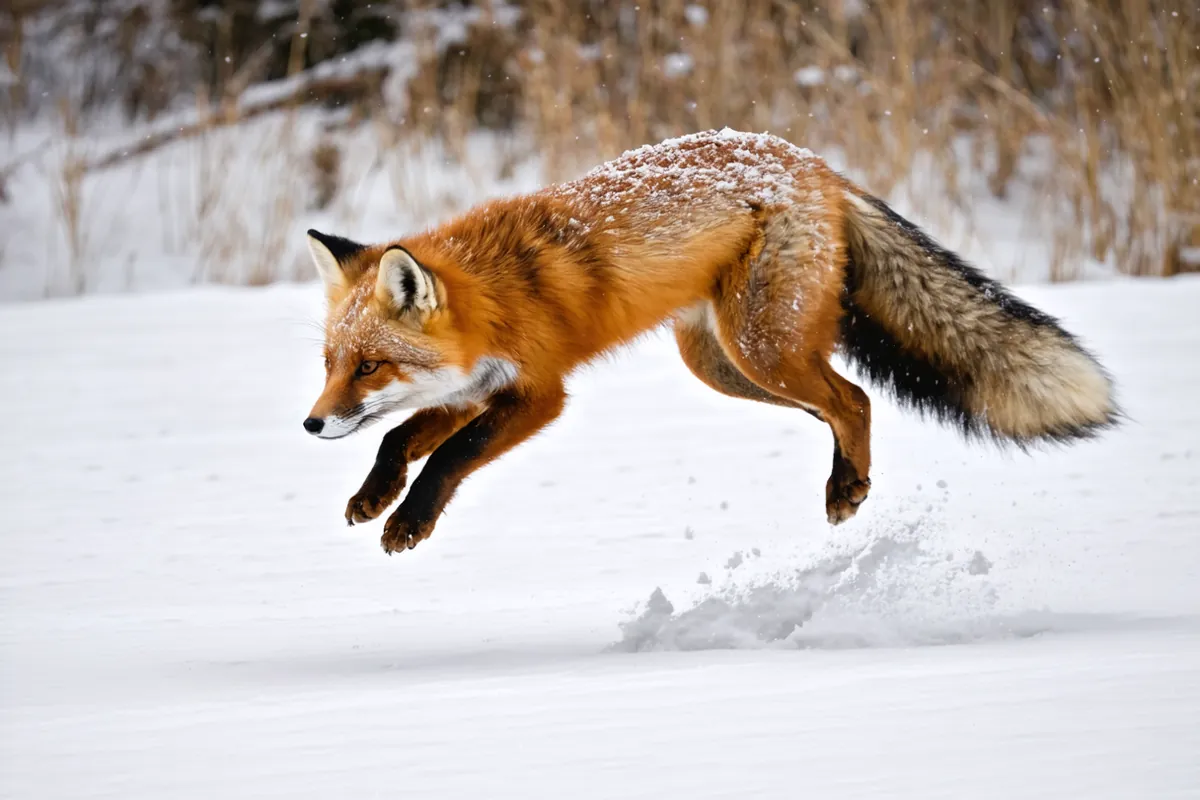
AI-generated illustration
Sharp ears
The great mouse pounce
A red fox has very sharp hearing. It can hear mice squeaking about 100 metres away. When it hunts a mouse-sized animal, it first finds exactly where it is by sound. Then it leaps, sailing high above its prey, steering in mid-air with its tail, and lands on target as much as 5 metres away. It likes to hunt early in the morning, before sunrise, and late in the evening.
SourceFamily life
Cubs in the den
A red fox mother usually has four to six young, called kits or cubs, though litters of up to 13 have been reported. The kits are born blind, deaf and without teeth, with dark brown fluffy fur. The mother stays with them for two to three weeks, because they cannot yet keep themselves warm, while the father or another vixen brings her food. At three to four weeks old, the kits start to leave the den and try solid food brought by their parents. Some dens, dug among tree roots, can last for decades.
SourceThe pictures on this page are AI-generated illustrations, not photographs. The facts are checked against the sources linked.