Open your worlds
Your wish list — the plush you mean to keep.
Press Add to a collection on any plush in the shop: start a collection of your own, or keep it on your wish list. Sign in and both follow you to any device.
Open my wish list →Menu
What makes a wolf
Wolves are members of the dog family. Here is what scientists say about which animals are called wolves, and how they live.
Many animals are called wolves
The grey wolf, the Ethiopian wolf, the eastern wolf and the African golden wolf are four of the many kinds in the genus Canis that are called wolves. Kinds too small to be called wolves are known as coyotes in the Americas and jackals elsewhere.
SourcePart of the dog family
Wolves belong to the dog family, together with pet dogs, coyotes, foxes, jackals and raccoon dogs. Every member of this family walks on its toes.
SourceLiving as a family
Wolves, coyotes and jackals live in groups made up of a breeding pair and their young. Wolves may live in larger, extended family groups.
Source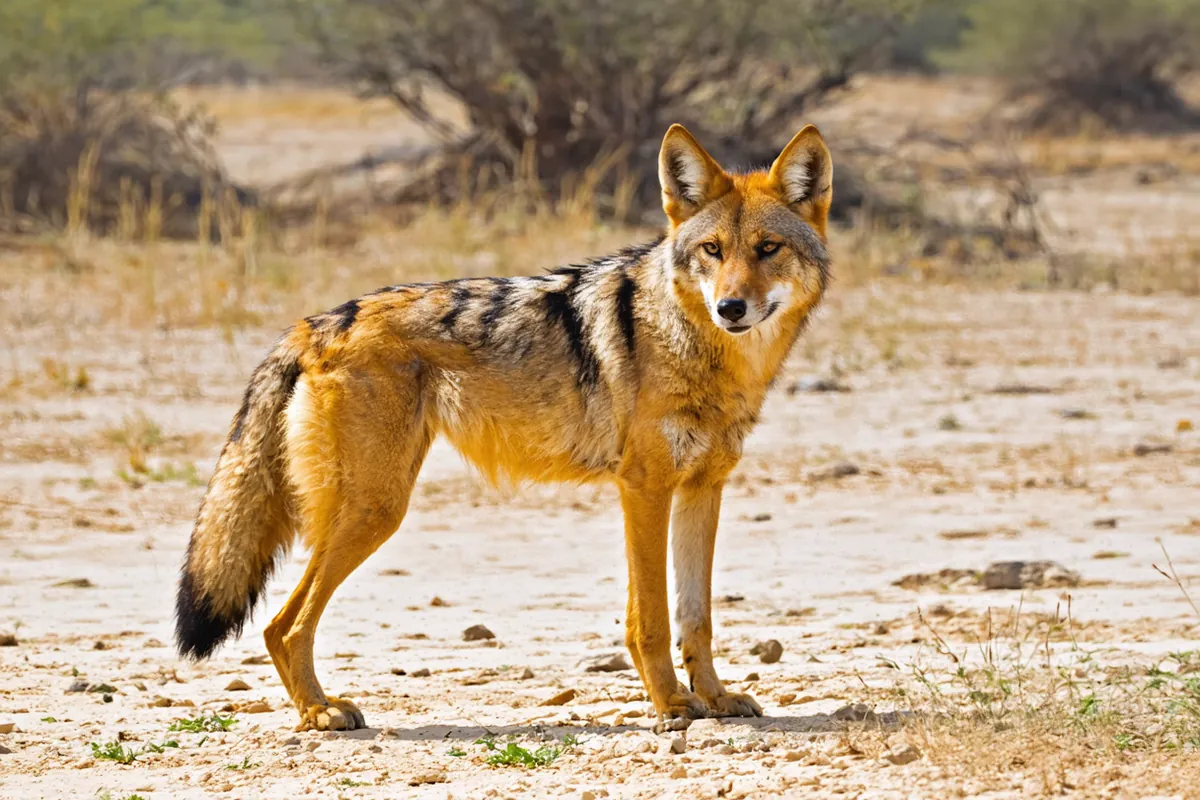
AI-generated illustration
Hidden wolf
The wolf that was mistaken for a jackal
In North Africa, West Africa and the Horn of Africa lives a yellowish-grey wild dog. Scientists used to class it as an African kind of golden jackal. In 1820 the naturalist Frédéric Cuvier had described it as a separate species, but in 1926 it was grouped with the golden jackal again. Then, in 2015, studies of its DNA showed that it is a species of its own, more closely related to the grey wolf and the coyote. Today it is called the African wolf or African golden wolf. It was once considered sacred in ancient Egypt. It hunts small creatures without backbones, and mammals as large as young gazelles.
SourceIce Age puzzle
The dire wolf was not what it seemed
The dire wolf lived in the Americas until about 10,000 years ago. It was about the same size as the largest grey wolves of today. The biggest collection of its fossils has come from the Rancho La Brea Tar Pits in Los Angeles. When it was first named, it was placed in Canis, the genus of the grey wolf. In 2021, a DNA study found that the dire wolf was a very different line from today's wolf-like animals. Its genus name now, Aenocyon, means 'terrible wolf'. Scientists concluded that dire wolves and grey wolves came to look alike separately, through what is called convergent evolution.
SourceThree remarkable wolves
AI-generated illustration
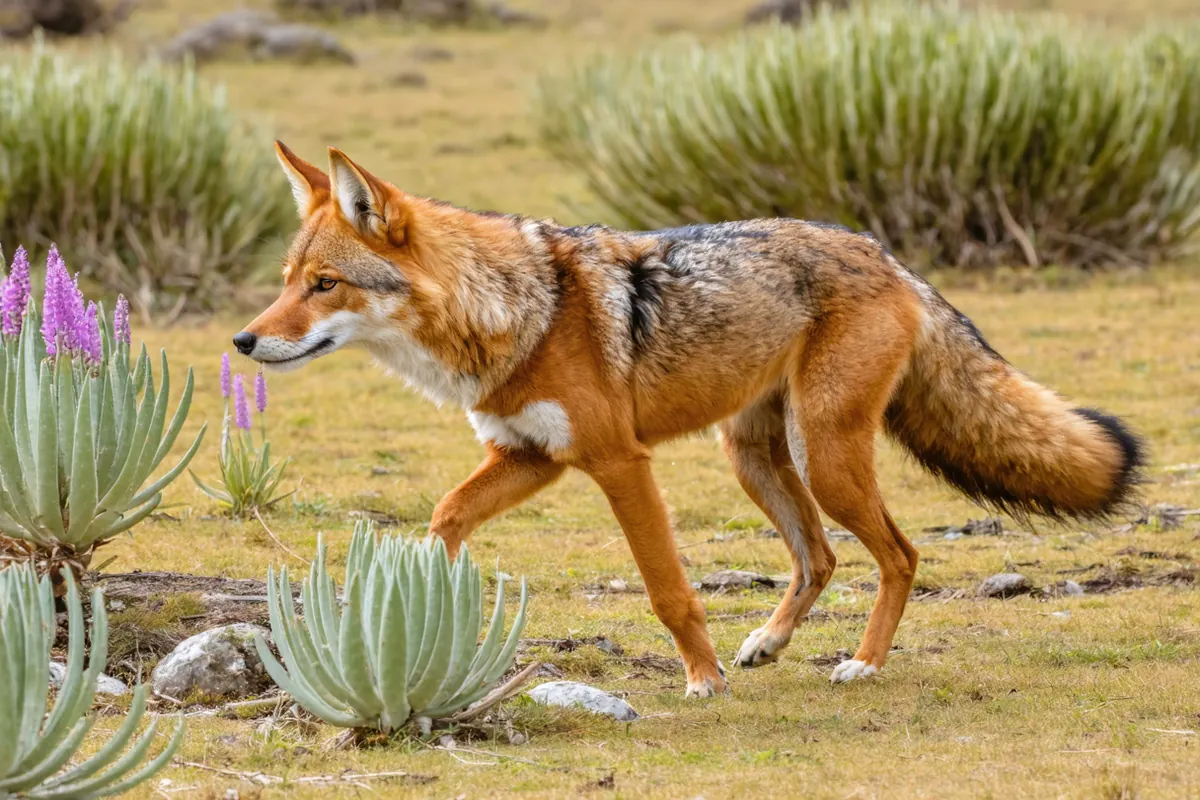
Ethiopian wolf
Canis simensis
This red and white wolf is native to the Ethiopian Highlands. Today it lives in just seven mountain ranges, between 3,000 and 4,500 metres up, and is one of the world's rarest canids. It tends to hunt small prey alone, and has been seen hunting rodents among troops of grazing gelada monkeys.
Source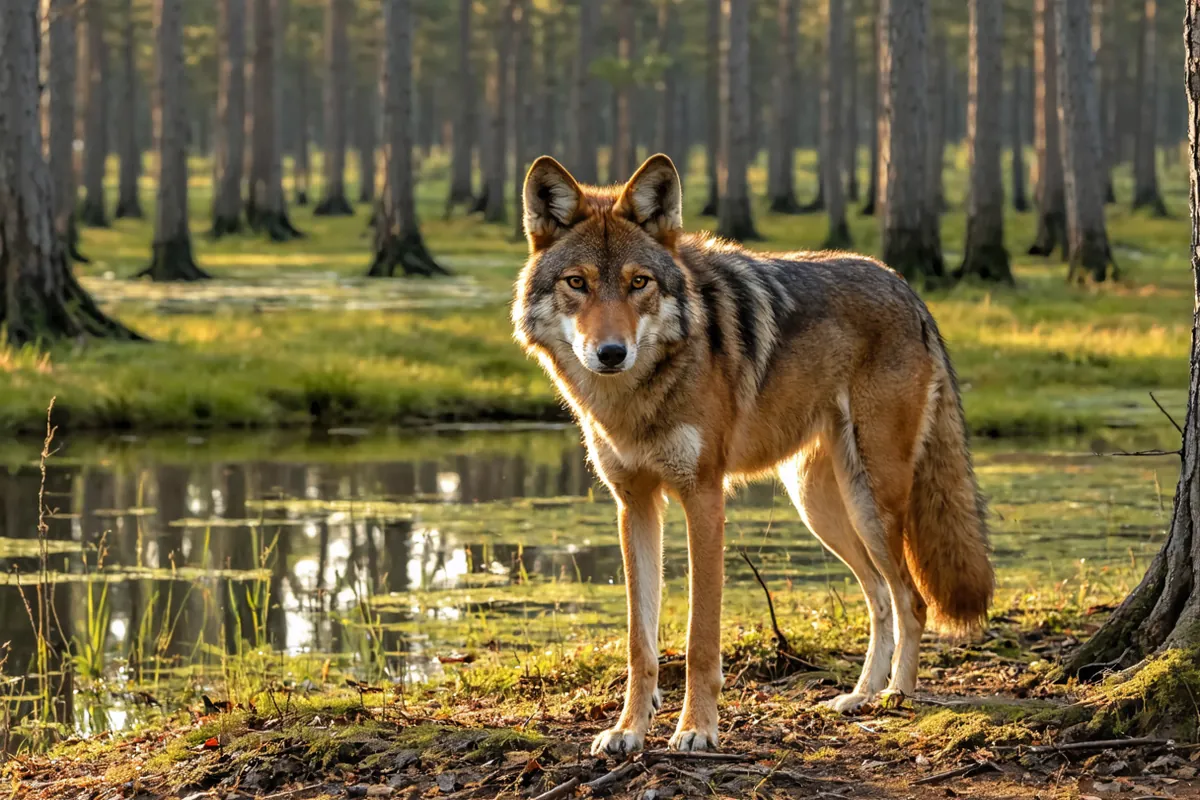
AI-generated illustration
Red wolf
Canis rufus
The red wolf of the south-eastern United States is between a coyote and a grey wolf in size. In 1980 it was declared extinct in the wild so that work to restore it could go ahead. Wolves bred in captivity were released into a wildlife refuge in North Carolina in 1987.
Source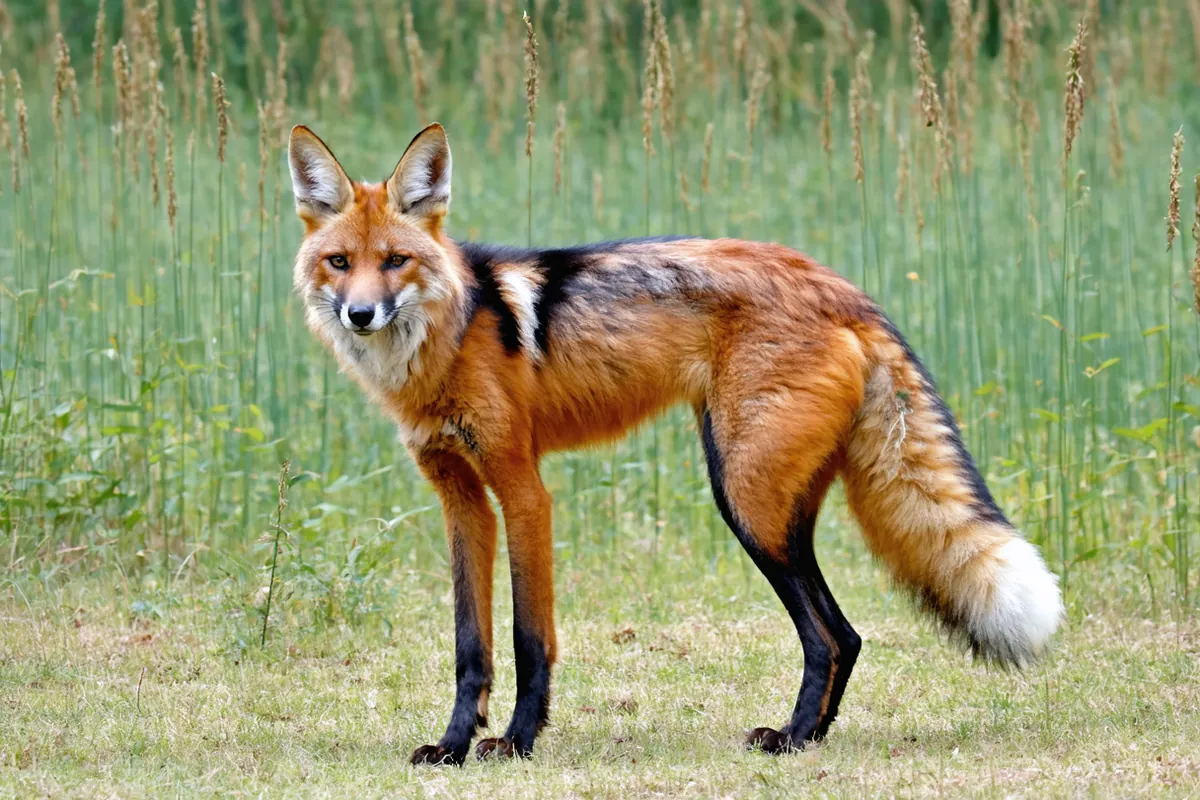
AI-generated illustration
Maned wolf
Chrysocyon brachyurus
The largest canid of South America is called a wolf, but genetic studies show it is neither a fox nor a true wolf. It stands about 90 centimetres tall at the shoulder on long black legs, and is especially keen on lobeira, a fruit whose name means 'fruit of the wolf'.
SourceThe pictures on this page are AI-generated illustrations, not photographs. The facts are checked against the sources linked.