Open your worlds
Your wish list — the plush you mean to keep.
Press Add to a collection on any plush in the shop: start a collection of your own, or keep it on your wish list. Sign in and both follow you to any device.
Open my wish list →Menu
What makes an otter an otter
Otters are at home in the water and on land. Here are three things worth knowing about otters as a group.
Found on most continents
There are 13 species of otter. They live on every continent except Australia and Antarctica.
SourceA coat with two layers
Otters have two layers of fur. A thick undercoat traps air, and on top is a coat of long, waterproof guard hairs.
SourceSwimmers of the weasel family
Otters belong to the weasel family, which also includes badgers, mink and wolverines. They have powerful webbed feet that they use to swim.
Source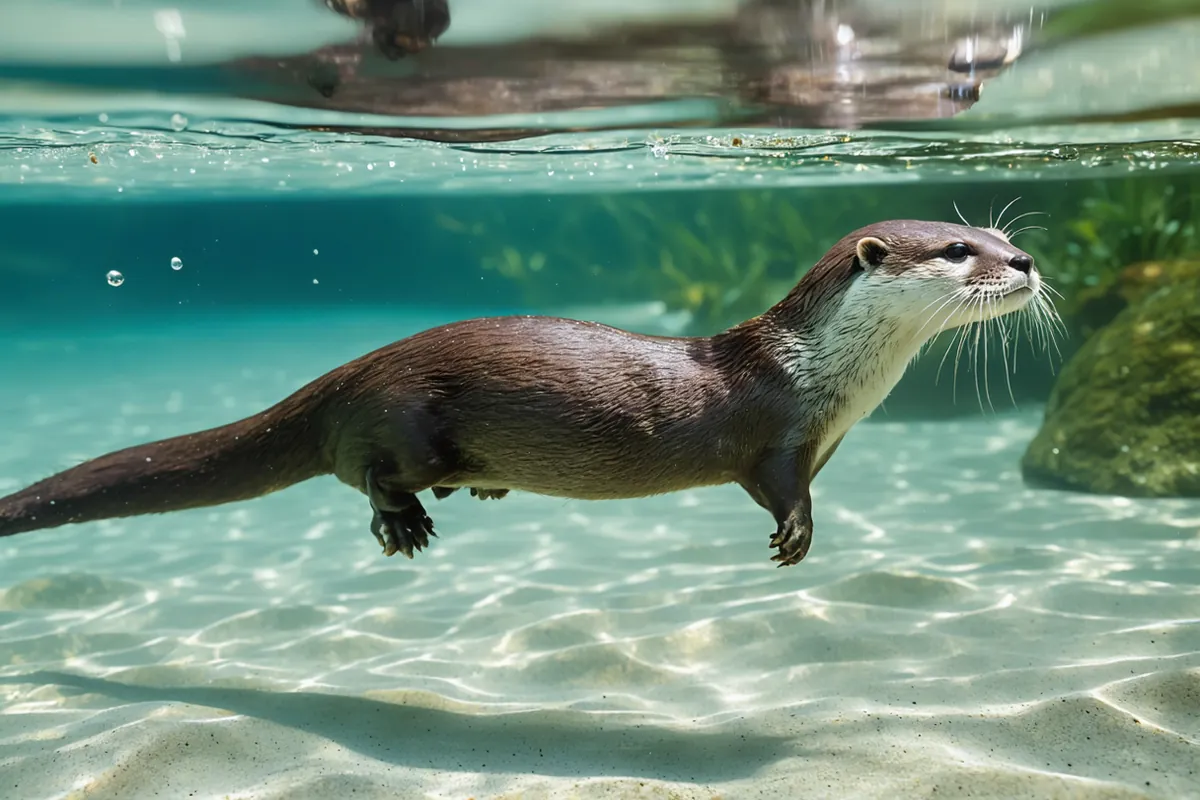
AI-generated illustration
Built for the water
How an otter finds its food
Otters spend most of their lives in the water, and their bodies are made for it. As an otter swims underwater, it can close off its ears and its nose. It can see just as well underwater as it can above. Its long, slightly flattened tail moves from side to side to push it along, while its back feet steer like rudders. Then there are the whiskers. An otter's rounded nose has whiskers above the lips that sense changes in the water current. They also sense prey, or a predator lurking in the water. These long, sensitive whiskers help otters find their food, even in murky water.
SourceStrange habit
The otters that juggle stones
Otters in zoos are often seen lying on their backs, batting stones into the air, catching them and rolling them over their chests and necks. Scientists at the University of Exeter set out to find out why, watching Asian small-clawed otters and smooth-coated otters. The otters juggled more when they were hungry, just before feeding time. Young otters and old otters juggled more than the adults in between. But the keenest jugglers were no better at solving food puzzles. The scientists say the real reason otters juggle is still a mystery.
SourceThree remarkable otters
AI-generated illustration
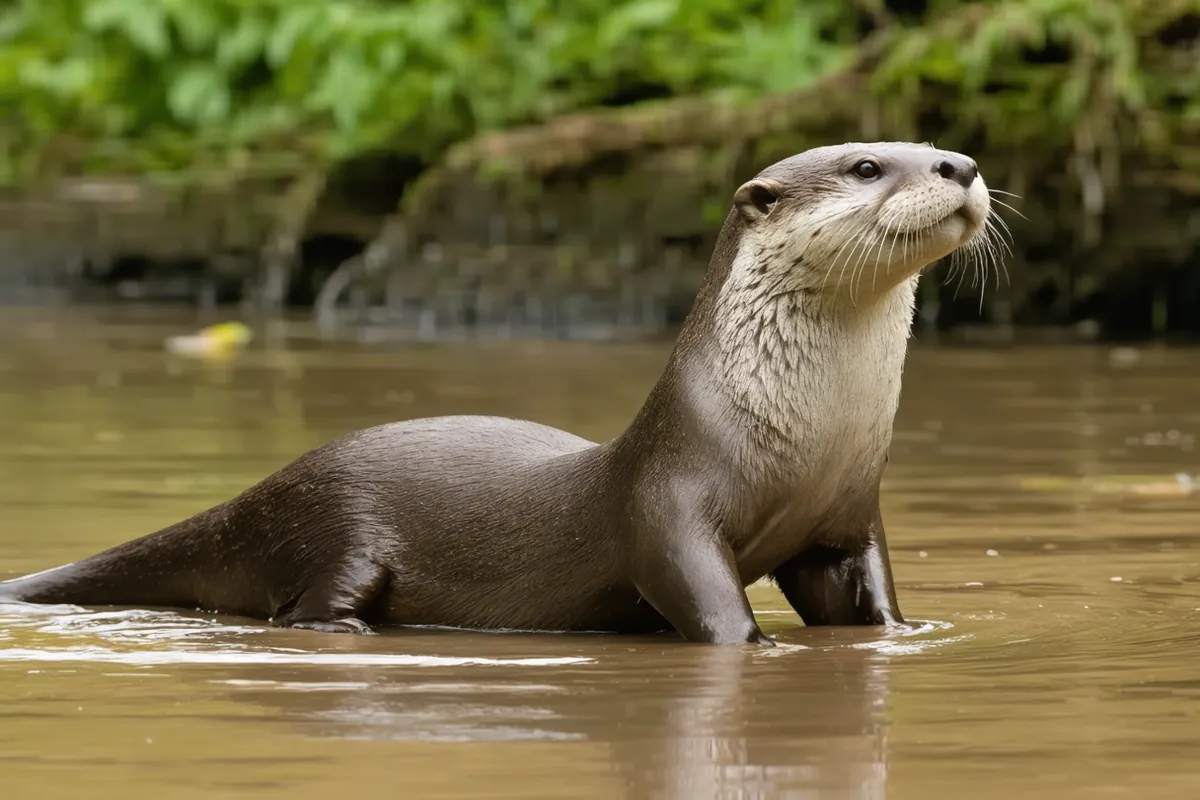
Giant otter
Pteronura brasiliensis
The longest member of the weasel family, reaching up to 1.8 metres, lives mostly in and along the Amazon River and in the Pantanal of South America. Each one has its own markings of white or cream fur on its throat and under its chin, so it can be told apart from birth.
Source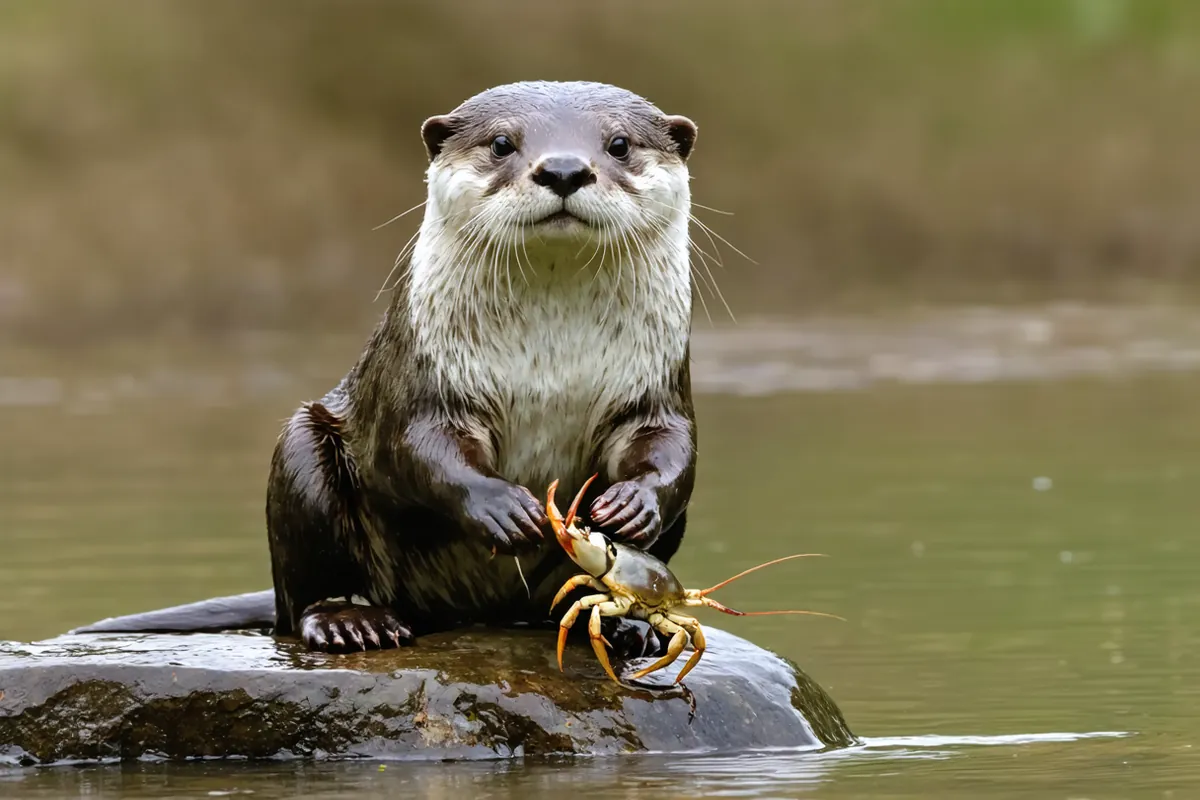
AI-generated illustration
African clawless otter
Aonyx capensis
True to its name, it has no claws except on three toes of each back foot. It uses its front paws to search and dig on the muddy bottoms of ponds and rivers, and crabs are its preferred prey.
Source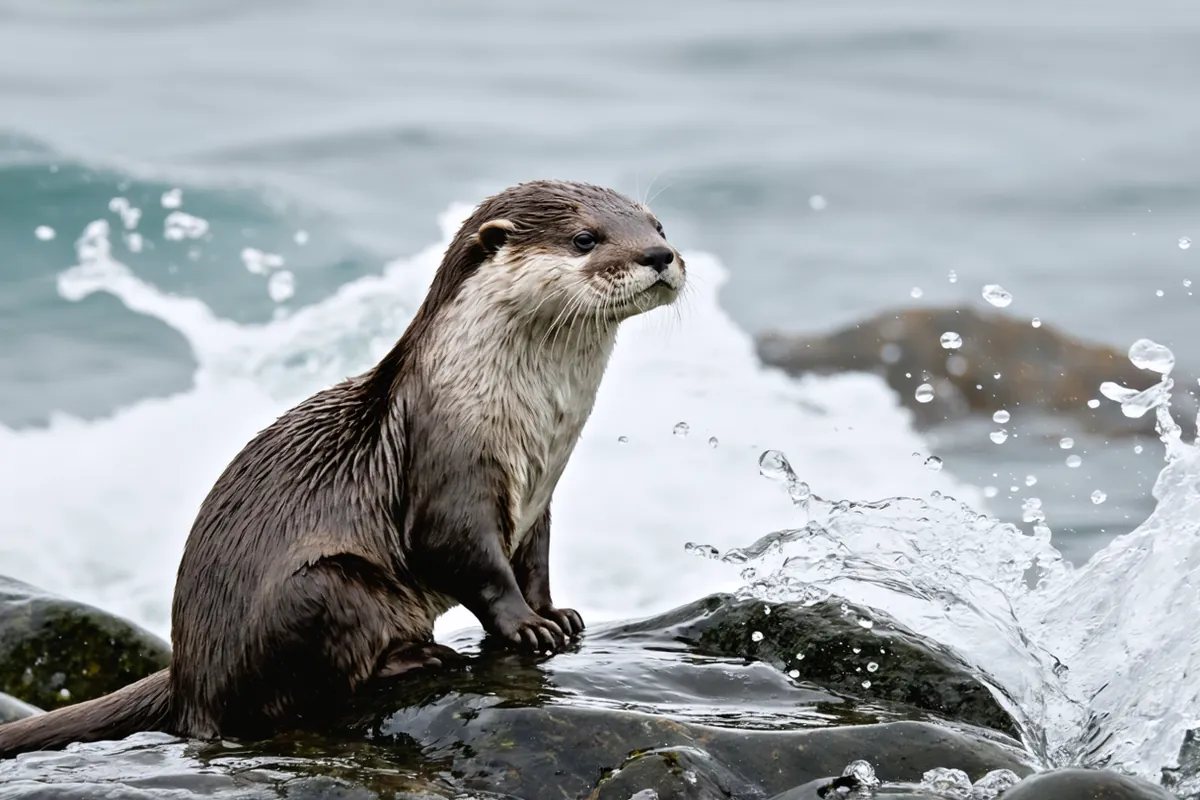
AI-generated illustration
Marine otter
Lontra felina
One of the smallest otters, and the smallest marine mammal, it lives only in salty coastal places, along the coast of Chile and into Peru. It avoids people, and it spends most of its time hidden in caves.
SourceKinds of otter
The pictures on this page are AI-generated illustrations, not photographs. The facts are checked against the sources linked.